
In 1900, Frank M. Chapman of the freshly formed Audubon Society proposed a new holiday tradition that would promote conservation by counting, rather than hunting, birds on Christmas Day. Over the years, this bird census has come to be known as the Christmas Bird Count (CBC), and it’s the nation’s longest-running community science bird project. Over the past century, these bird counts have helped biologists, researchers, wildlife agencies and avid birders study bird populations across North America. In fact, the idea of an annual bird count has spread and now takes place in over 20 countries across the Western Hemisphere.
So, what exactly is a bird count? The CBC is an earlywinter bird census where thousands of volunteers that make up different “circles” go out between December 14 to January 5 every year. Each circle will choose a single calendar day within those dates to count birds. Count volunteers follow specified routes through a designated 15-mile diameter circle, counting every bird they see or hear all day. The count is not just a species tally, all birds seen are counted, giving an indication of the total number of birds in the circle that day.
Gib Rokich organized and led the CBC in the Greenhorn Valley this year, although he is quick to say that without David Silverman there probably wouldn’t be a CBC in the Valley. Rokich shared, “They had to cancel the count last year due to COVID and Dave was going to have to cancel this year because he has just had cataract surgery, so I stepped in to make it happen. I believe the CBC has been going on in this area for fifty years and Dave has been involved for about forty of those.”
Rokich shared that the local group had great weather for their count on December 29th, although they did move the date up a day due to high winds predicted in the area. The circle covered in the local area includes South Park, Lake Beckwith, Cold Springs, Rye area near Old Home Road, a small portion of Clennin Road area, and Lake Isabel.
Rokich reported the group had a total of 10-12 birders counting birds and they reported seeing 65 different species. Silverman said this total was slightly above average. The group reported seeing many wild turkeys, Evening Grosbeaks, Stellar Jays, and Woodhouse Scrub Jays.
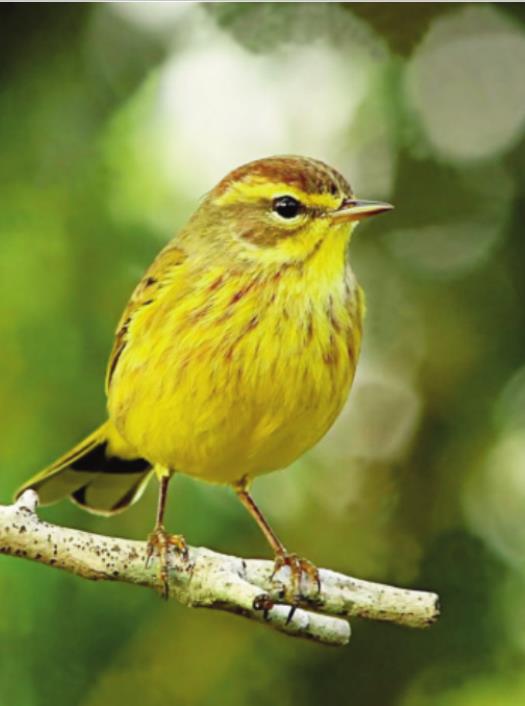
Silverman compiles the data from several local areas, including La Veta, the Greenhorn Valley, Westcliffe, and Beulah to send to the National Audubon Society, and said Palm Warblers and Chipping Sparrows were the most unusual birds reported cited in this year's.
Rokich shared that the group is a very welcoming bunch of people who would support anyone at any level that would like to learn about birds.