
COLORADO LEGISLATURE
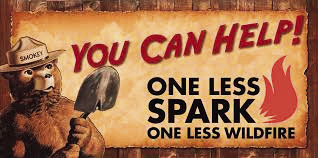
As any homeowner in the Rye or San Isabel area can tell you, the thought of fire strikes fear into the heart of not only homeowners but insurance companies as well. With record-breaking wildfires becoming more and more common in Colorado, some insurance companies have stopped writing policies on Colorado homes, making it more and more difficult and expensive to insure the home.
Some of the biggest wildfires in Colorado history occurred in 2020 and 2021, including the Cameron Peak Fire, the East Troublesome Fire, and the Pine Gulch Fire. The Spring Creek Fire, near Fort Garland and La Veta in Southern Colorado, was in 2018.
Fortunately, Colorado lawmakers are aware of the challenges of fire protection and several new laws have been born. In all, lawmakers have passed eleven wildfire-related measures in 2022 with the last four of them going into effect during August.
HB22-1111 makes it easier to file and receive initial claims for lost property, eases the inventory process and extends housing reimbursement when a loss is declared by the governor as part of an owner-occupied residence. It increases the amount of property loss to wildfires that insurance providers have to cover upfront from 30% of the value to 65%. The law also extends the time frame wildfire victims have to rebuild their homes from 12 months to 36 months.
The act also establishes new requirements for insurers concerning an insurer's handling of policy claims after such a total loss occurs.
Other measures recently passed include legislation to increase firefighting resources, foster recovery efforts, conserve watersheds, and fund wildfire mitigation.
Senate Bill 114 allows county commissioners to designate ponds as fire suppression ponds, protecting them from being drained if needed for firefighting resources.
House Bill 1132 requires that before a person conducts a controlled burn, the person must provide notice in accordance with any local rules and regulations. If there are no local rules and regulations, then the notice is provided to the local dispatch center, the county sheriff, and where applicable to the fire department.
House Bill 1012 requires that on and after September 1, 2022, the state forest service develop a forest carbon co-benefit framework for project-level forest management practices, including wildfire mitigation. The bill invests over $7 million in forest health and restoration efforts.
“These days, in Colorado, wildfire season lasts yearround,” Rep. Dylan Roberts, who sponsored SB-114, said. “We have to be prepared to respond at any moment and give our brave first responders every possible tool they need to do their job.”