
John D. and Ellen Martha Train Campbell had moved to Fairview by 1885. John was born in New York in 1829; Ellen in Vermont the same year. They had raised at least five children to adulthood while living in Michigan and Illinois. The Pueblo Daily Chieftain, dated Friday Morning June 11, 1886 reports: “Mrs. J.D. Campbell, an old lady sixty years of age, started from her home at Second Mace’s Hole to Pueblo in a two horse wagon, her intention being to met her husband, who had been taking baths at the artesian well, and take him home. A short time after she started on her journey the horses returned home without the wagon. A searching party of neighbors found the body of Mrs. Campbell about a mile from home, lying under the wagon, which had been overturned upon her, apparently killing her instantly.” Ellen was buried in the San Isabel Cemetery. John died in Kansas ten years later while living with their daughter, Emma Viola Campbell Coffield.
The 1890 census showed 62 people lived in Fairview. In addition to the Clarkson family, the Bigelow, Fairchild, Campbell, Davenport, Little, Ecklund and Snyder families lived in the valley. Zina H. Fairchild became the postmaster of the Fairview Post Office on March 12, 1890.
Joseph H. and Alma Fox Myers moved to Pueblo from New York in the 1890s where Joseph worked as a butcher. They moved up into the foothills to homestead land in the northern part of the Fairview Valley just around what is now the hairpin turn on Colorado Highway 165. The land was awarded to Joseph H. Myer in 1896. They built a home and maintained ownership of this land when they moved with their daughter, Myrtle and her children to King County, Washington near Seattle in the spring of 1901.
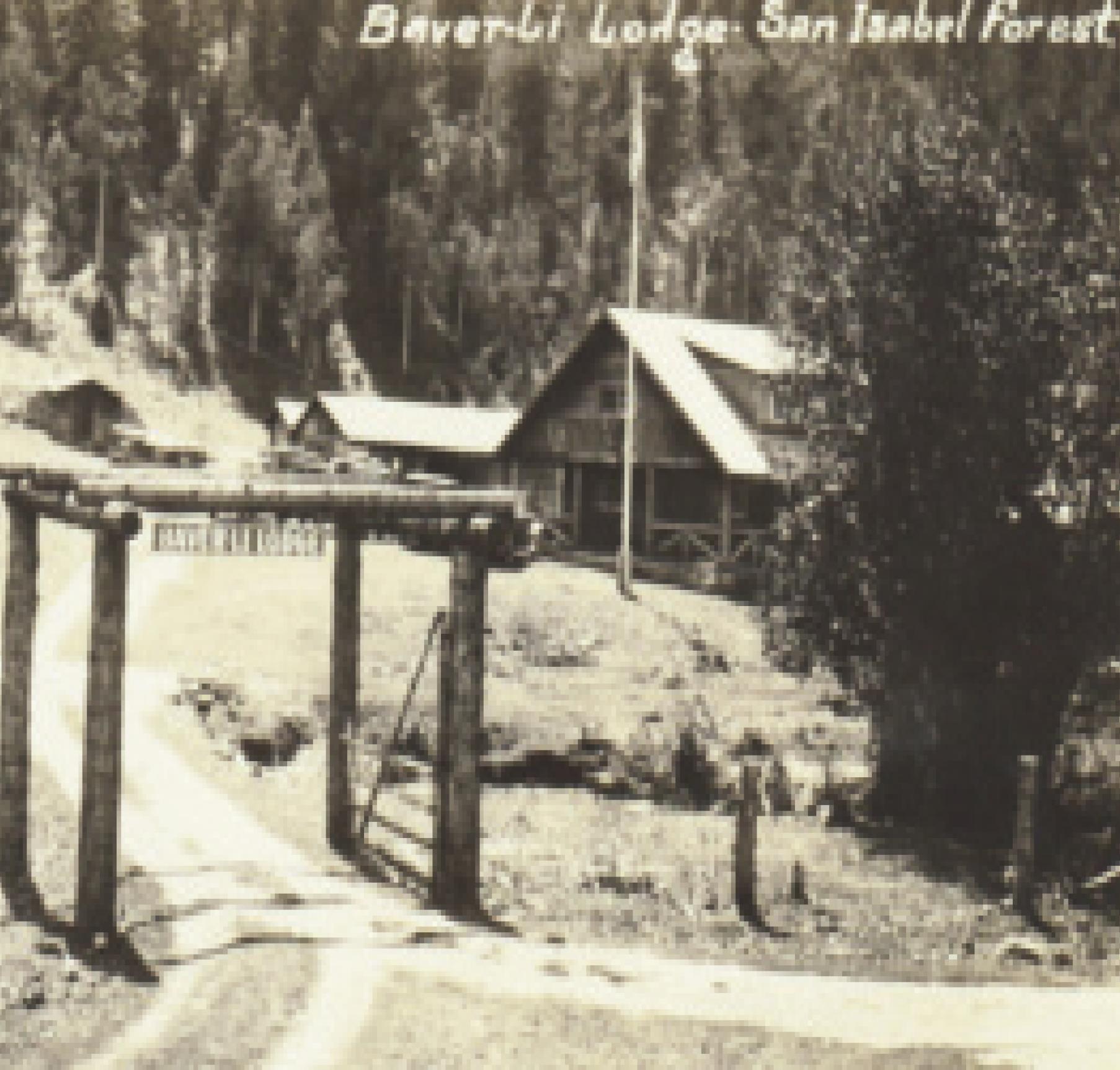
Myrtle Myers Hull married Arthur Henry Moses in 1903. Arthur and Myrtle Moses lived with her parents, Joseph and Alma Myers in Seattle. In 1921, they sold the homestead land at Fairview to Arthur’s cousin Clifford Henderson Moses. He was living in Seattle and moved with his wife Tena Trangen and their three-year-old daughter, Ruth to Colorado. They established the Baver-Li-Lodge on the property.
Louise Hardin Palmer remembers, “At Fairview, more commonly known as Baver-Li-Lodge, there was a small community with a store, hotel, school, post office and several family homes. Dances were held at the school house. My parents (John Toliver and Mabel Eunice Blalock Hardin) would load us up in the wagon and drive over there. They would put my brother and me to bed at the hotel and dance all night. We would have breakfast at Clarksons’ hotel about sunup and then drive home.”
The Fairview Post Office was closed in 1913 and re-opened as the Forestdale Post Office in 1914. James H. Clarkson was appointed post master. The Forestdale Post Office remained open until 1926.
“The residents of Second Mace offered peas, lettuce, potatoes, and other produce as they passed through Beulah on their way to Pueblo markets. In those days before television, a family or group of friends from Beulah or Pueblo would often turn a picnic into a day’s outing at the Balanced Rock, Devil’s Canyon or up Middle Creek. A special treat was the horseback ride up to Second Mace, going by way of the Marble Quarry and dining at Clarksons, or later the Baver-Li Lodge, then returning by the Squirrel Creek Road.”
“Fairview is said to have had its fair share of whiskey stills in its time. Their products were remembered as pretty good stuff which could warm a cold winter night. An old timer in the area recalled a time when a federal agent got a tip and was coming to investigate. Phones cranked and kids were sent to spread the word. When the agent arrived, he found no evidence of anything brewing, decided there was nothing to the story and left.”
“The thirties were hard years for people throughout the area. At Fairview (Second Mace) interests were renewed in mining possibilities. Gold, silver, lead, zinc and copper were the minerals extracted. The mines were in the higher country above Fairview, but considerable panning was done downstream on Ophir Creek. The dollar or so a day that could be panned from the streams helped some of the residents who remained in that settlement to make it through the depression years.”
Sources: ‘Winds in the Cornfileds’ by Arla Aschermann; ‘From Mace’s Hole to Beulah’; Pueblo Lore May 2015 by Haver; census, cemetery records and other sources as noted